All Wood Cabinet Distributor Since 2008
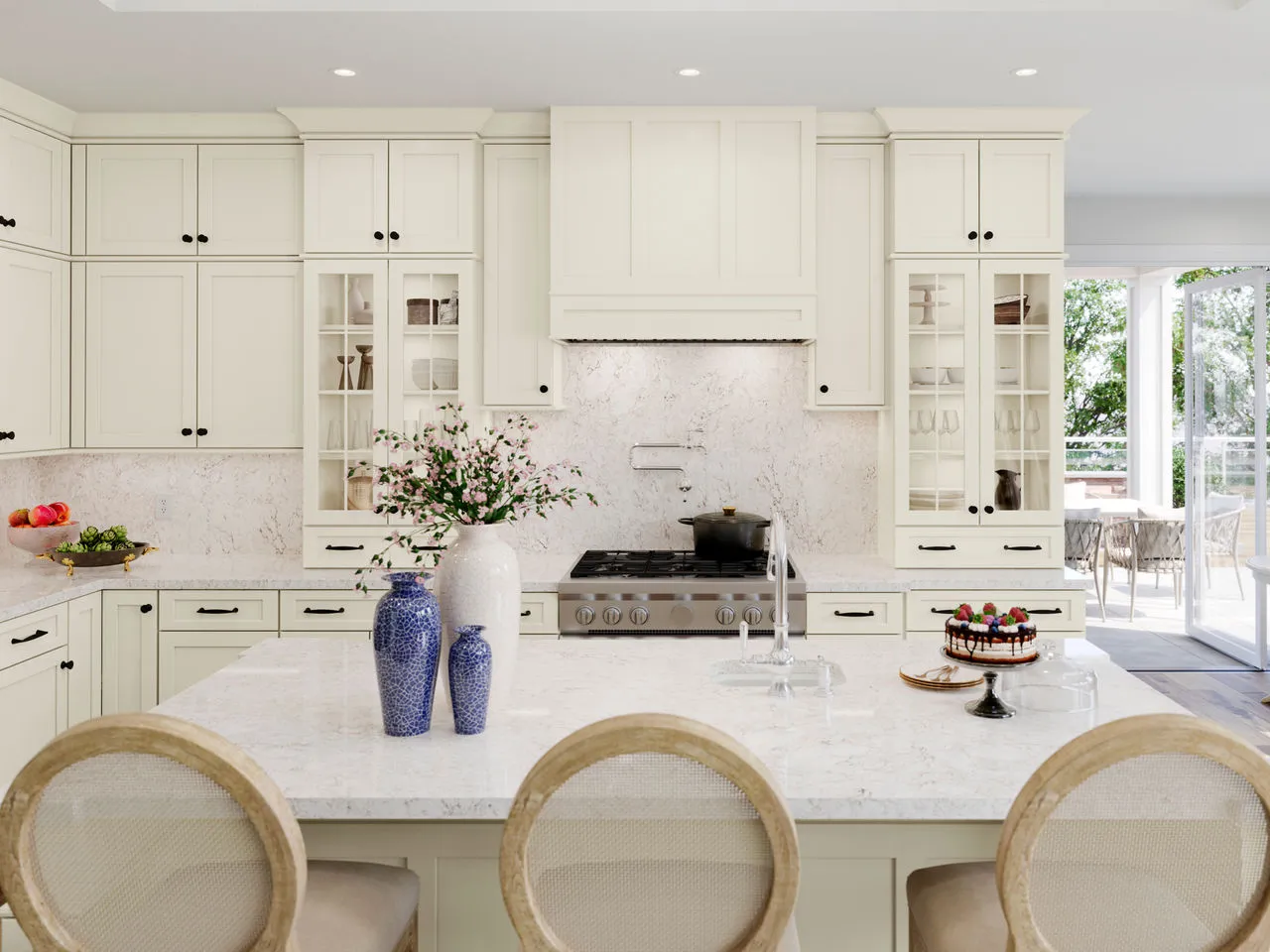
Recycled glass, bamboo, and PaperStone are excellent eco-friendly choices for countertops. These sustainable options offer numerous benefits to the environment. Recycled glass countertops utilize discarded glass bottles and windows, reducing waste and conserving resources. They not only add a unique and colorful aesthetic to your space but also provide strength and durability. Bamboo countertops, known for their rapid renewability, are a fantastic alternative. Bamboo can be harvested in just a few years and has comparable strength to hardwood. It is also naturally resistant to moisture and bacteria. Lastly, PaperStone, made from 100% post-consumer recycled paper, is an incredibly durable choice. It is water-resistant, heat-resistant, and long-lasting, providing a sustainable and stylish option for any kitchen or bathroom. Additionally, these options have a lower carbon footprint compared to traditional countertops, as the production processes for these materials often require less energy and emit fewer greenhouse gases. Moreover, these options are known for their strength and durability, ensuring a long lifespan and reducing the need for frequent replacements.

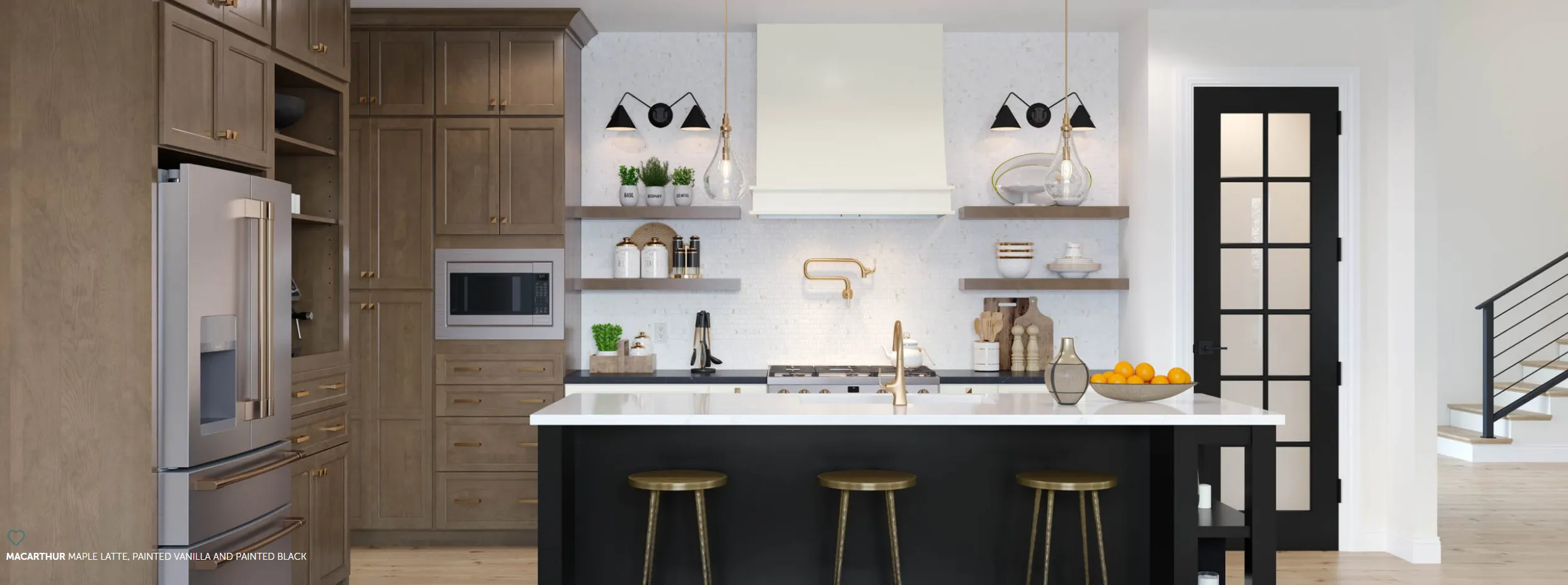
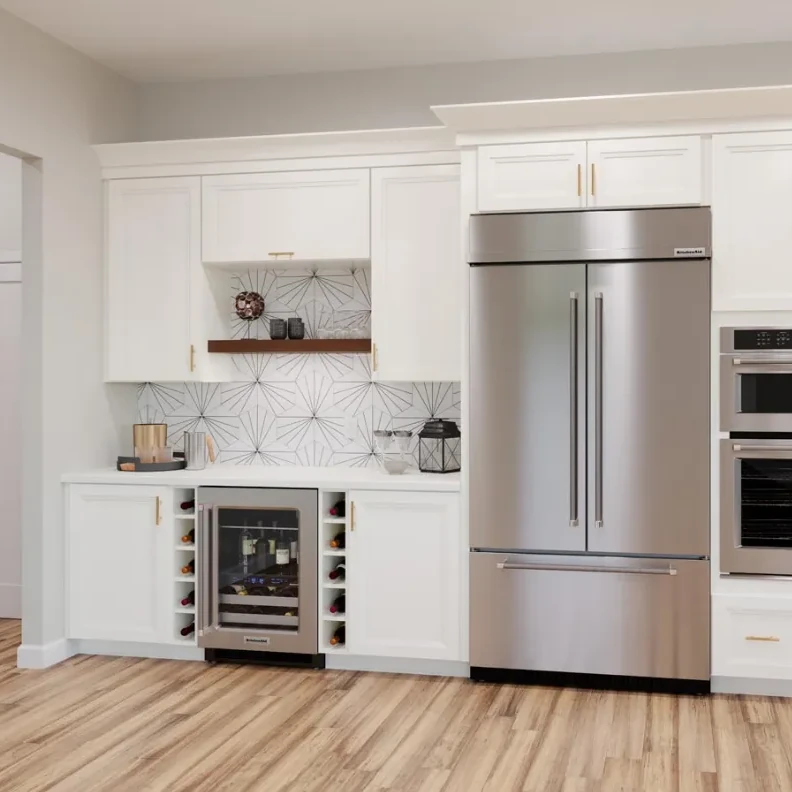
Using eco-friendly choices for backsplashes is a fantastic way to contribute to a sustainable environment. Opting for materials like recycled glass, recycled metal, or reclaimed wood not only adds a unique touch to your space but also helps reduce waste. These sustainable options are durable and long-lasting, ensuring that your backsplash will stand the test of time. By choosing recycled materials, you are actively participating in the circular economy and reducing the demand for new resources. Embracing these eco-friendly choices is a simple yet impactful step towards creating a greener world.
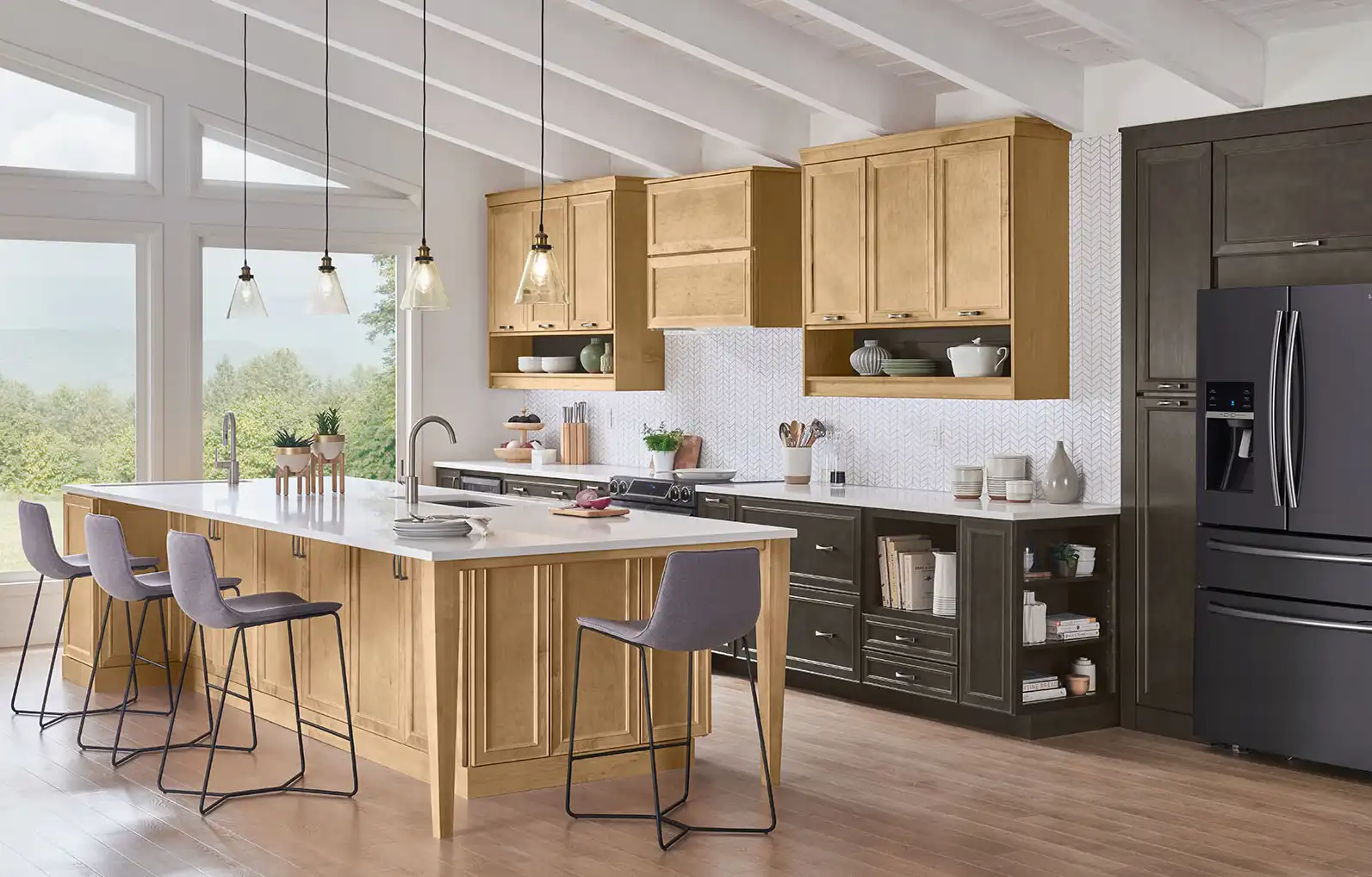
Eco-friendly flooring choices, such as bamboo, cork, and linoleum, offer numerous benefits to the environment. These sustainable options help reduce deforestation and minimize the depletion of natural resources. Bamboo flooring, known for its strength and durability, is a renewable resource that grows quickly and requires minimal pesticides. Cork flooring, made from the bark of cork oak trees, does not involve cutting down the trees, allowing them to continue absorbing carbon dioxide and promoting healthy ecosystems. Linoleum flooring, made from natural materials like linseed oil and jute, is biodegradable, non-toxic, and boasts excellent durability. By opting for these eco-friendly flooring options, we can make a positive impact on the environment without compromising on quality or style.

In conclusion, sustainability is more important than ever in our world today. Integrating sustainable practices into all aspects of life, including home design, is crucial. The kitchen, being a central area of our homes, offers ample opportunities for eco-friendly choices that can make a real difference. By thoughtfully designing our kitchens and opting for eco-friendly materials, we can actively contribute to a greener environment. Let's make a positive impact together. Share this blog post on social media and spread the word about sustainable kitchen design. Together, we can create a greener home and a brighter future.