- Free Nationwide Delivery
- Fully Assembled Cabinets
- Cabinets Arrive in 3-5 Weeks
- White Glove Delivery
October 22, 2026
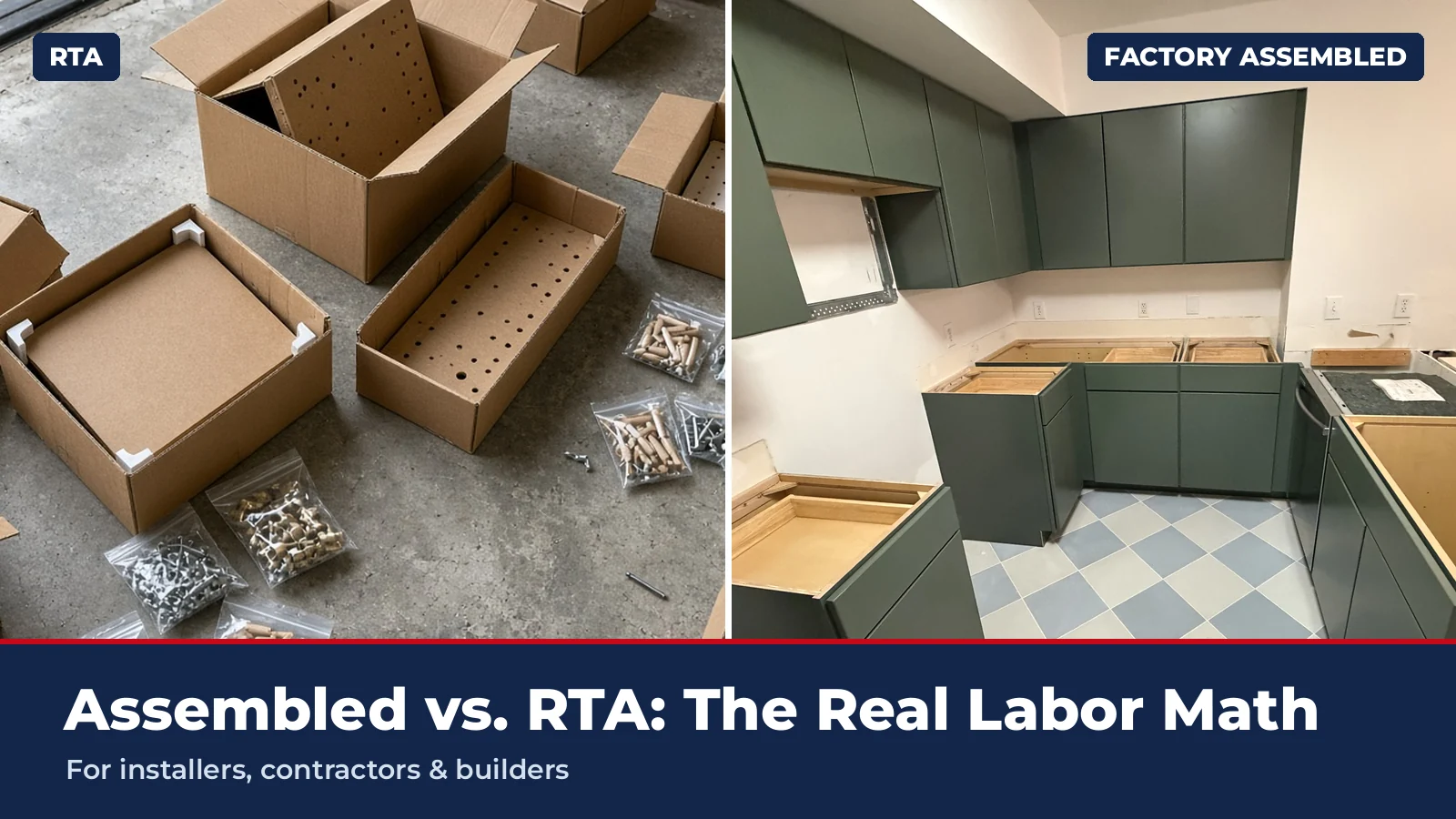
I'm Wally Hall, and I run Cape Cabinet Depot. There's one question I hear from contractors all the time: "Why pay more for assembled cabinets when RTA is right there and cheaper?" It's a fair question. I've seen up close what happens between "the pallet arrived" and "the box is ready to hang," and assembled doesn't win every time, so I'll also tell you when RTA still makes sense.
1. Why the Box Price Lies
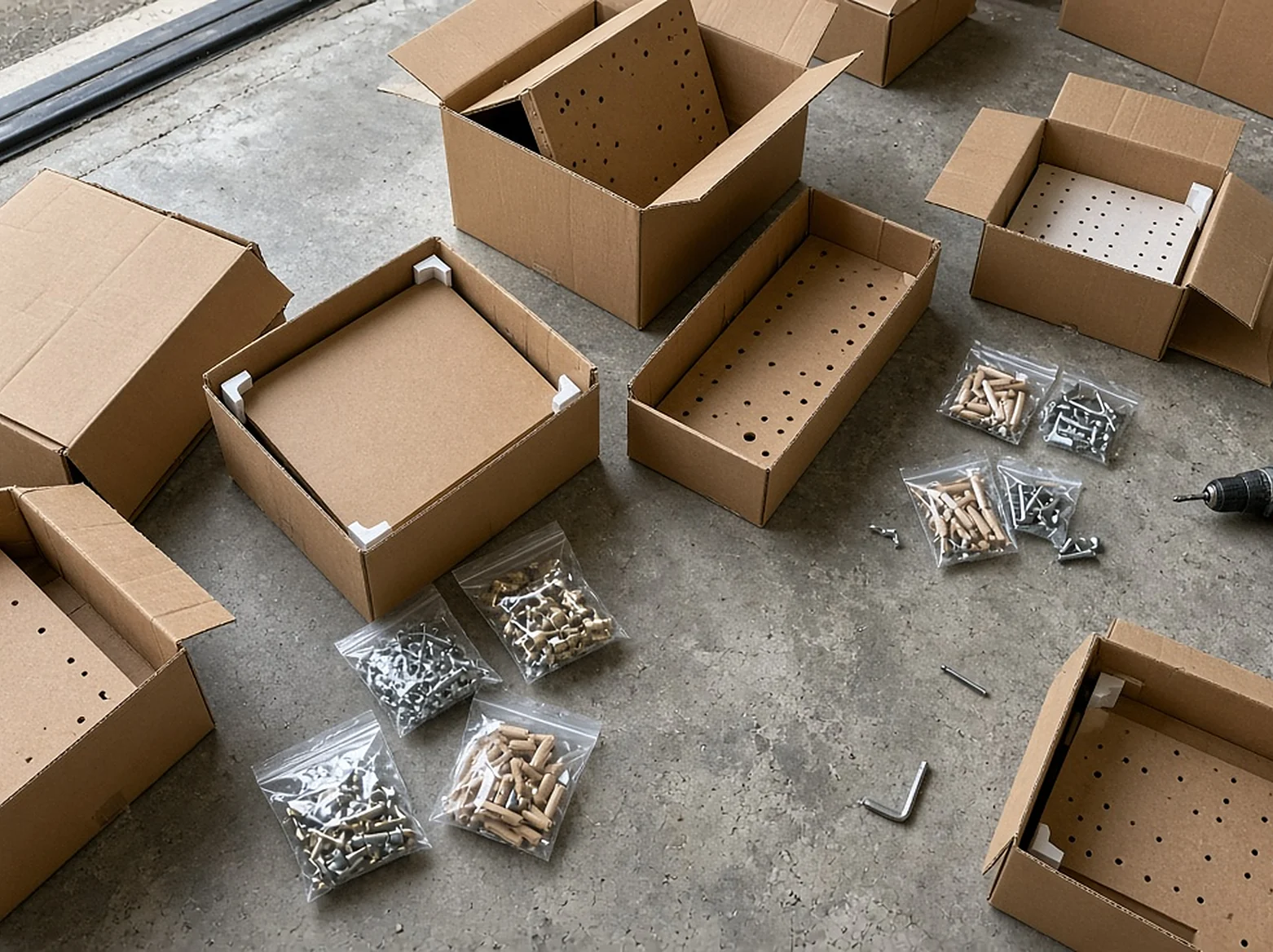
When you compare cabinet quotes, you're comparing line items: bases, walls, a pantry, fillers, panels. RTA almost always wins that comparison. But the quote leaves out three things you pay for anyway. First is assembly labor: somebody has to unbox, sort, glue or cam-lock, square, and hang doors on every box, and that somebody is usually you or a crew member on the clock. Second is space: flat-pack needs a clean, dry spot to lay out panels and stage finished boxes, and on a remodel where the family still lives in the house, that space is rarely free. Third is risk: every box built in the field can end up out of square, short a part, or damaged in handling. None of that makes RTA bad. It just means the honest comparison is installed cost, not box cost.
2. Where the Assembly Hours Really Go
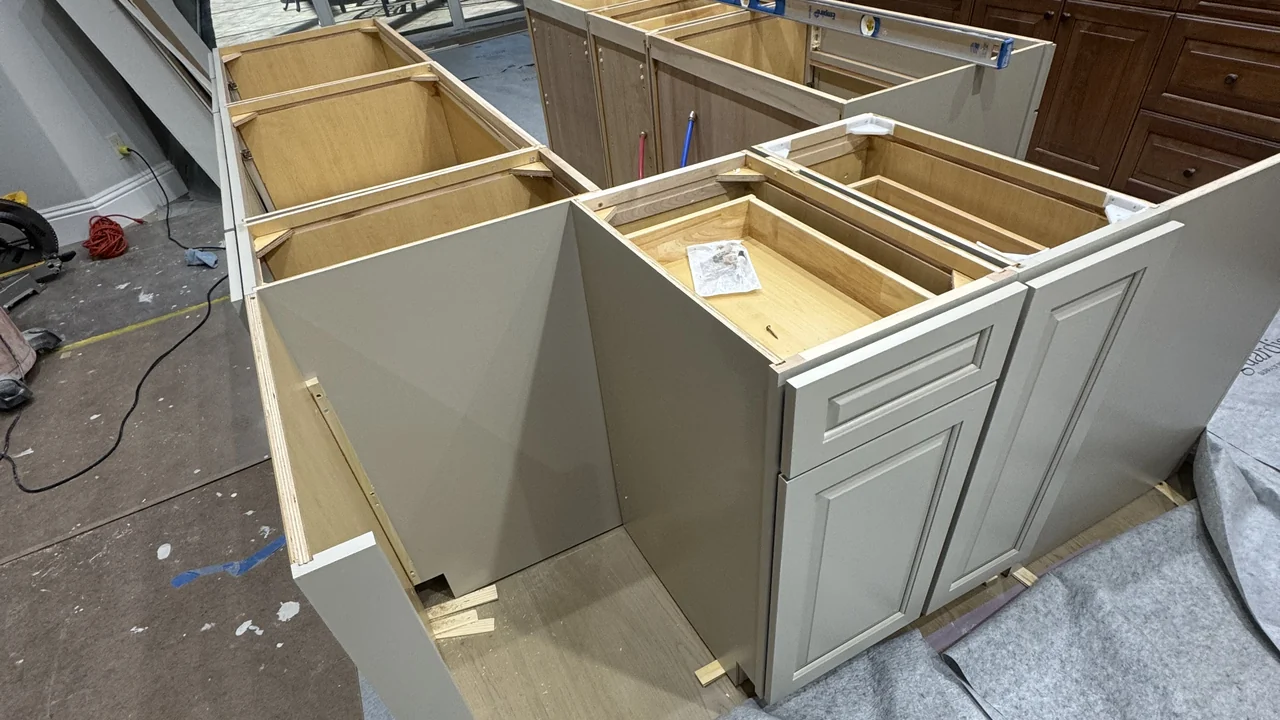
I'm not going to quote an "industry average" assembly time, because it varies too much to pretend there's one number. It depends on the joinery, how many drawers and specialty units are in the order, and how many of these your crew has built. My advice: time your own crew from first box opened to last door adjusted. From our years assembling RTA in-house, I can tell you where the time goes: sorting panels and hardware to the right box, squaring and gluing (a rushed box fights you on install), building drawer boxes and slides, and tuning doors and hinges. Then there's the cleanup, and there's a lot of it. And the one that hurts most: missing or damaged parts. You don't find out until the box is open and assembly has started, and a missing rail or a cracked side panel can stop the whole install until a replacement arrives.
3. The Worked Example (Illustrative Numbers Only)
Here's how the math works. These figures are made up for illustration. They are not industry data and not Cape Cabinet Depot pricing, so swap in your own. Say it's a mid-size kitchen with 25 boxes, 45 minutes of assembly per box, and a loaded labor rate of $55 an hour.
That's roughly $1,250 in hidden cost and about 22 crew-hours, nearly three working days, plus the schedule risk of waiting on parts. In this scenario, if assembled costs less than about $1,250 more than the RTA order, assembled is the cheaper installed option. A fast crew on a simple RTA line will close the gap. A green crew on a drawer-heavy kitchen will blow it wide open. Run your own numbers.
4. Quality, Callbacks and Job-Site Logistics
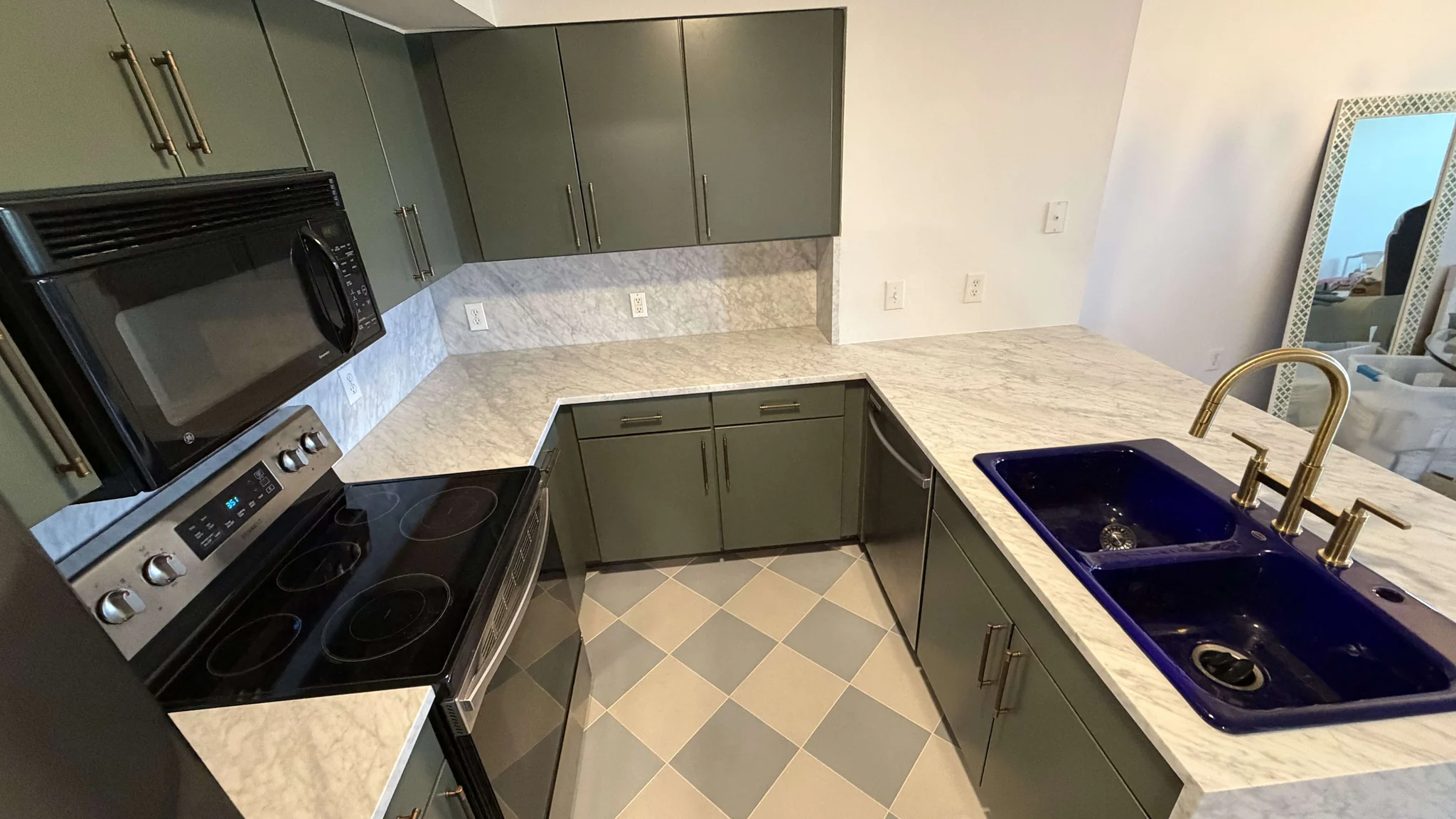
Field-assembled cabinets are only as good as the conditions they were built in. Factory jigs are consistent, and a tired crew at 4 p.m. on a garage floor isn't. Skip glue or strip a screw and the box loosens over time. More handling also means more chances to ding a painted door before it ever hits the wall. Callbacks are where it really costs you: the drive back, an unhappy homeowner, and a hit to the next job's schedule. Assembled cabinets do take more room in the truck, but they go from delivery straight to install, with no sorting tables and no mountain of cardboard in the client's garage. Your planning shifts from "where do we build these?" to "where do we stage these?" Inspect each box at delivery and document any damage right away.
5. When RTA Still Makes Sense
I promised I'd be fair. RTA can be the right call when access is tight: upstairs condos, narrow stairs, or small elevators where a full-size assembled pantry won't fit. It makes sense if you have a dry shop and a slow week, because idle crew hours cost less. On a small job like a laundry room or a couple of vanity boxes, the labor doesn't carry the same weight as a full kitchen. Some DIY-minded clients want to do the assembly themselves. And if your crew is fast and your callback rate is low, trust your own data.
6. Why We Stopped Assembling RTA In-House
When we sold RTA, we assembled it ourselves before it went out. Over and over, we'd open a box to start assembly and find a part missing, a panel cracked, or a door scratched in shipping. We never found out at delivery. We found out at the worst possible moment, with the table set up and the box half built. Then we'd stop, figure out what was missing, call it in, and wait. Sometimes the replacement came wrong and we re-ordered. Meanwhile the install date was getting closer, so we'd call the contractor to reschedule, they'd call the homeowner, and nobody was happy. One missing hinge plate could push back an entire kitchen. It happened enough that we switched to factory-assembled cabinets. That one change took a lot of delays, re-orders and reschedules out of our process, and out of our contractors' schedules.
7. What "Fully Assembled" Means With Us
Today our cabinets arrive fully assembled, not RTA boxes, and most accessories come factory-installed, so you unbox and install. Most jobs leave the factory in about 3–5 weeks, and you get an estimated ship date within two business days of ordering. Delivery is white-glove, including jobs outside SWFL and East Tennessee. Contractors get contractor pricing, a dedicated support specialist, and sample kits so clients can see finishes without a showroom trip. For more on choosing a cabinet line, see our post on semi-custom vs. stock cabinets and our contractor portal.
Don't compare box prices. Compare installed cost: box price, plus your real assembly hours at your real loaded rate, plus handling, plus a fair allowance for missing parts and callbacks. For some jobs RTA will still win, and that's fine. For a lot of full kitchens, especially remodels, assembled comes out ahead once you do the math.
Want to run the numbers on a kitchen you're bidding right now? Send the plan or measurements, and we'll quote it at contractor pricing. New to Cape Cabinet Depot? Save up to $750 on your first kitchen (5% off your first order). Worked with us before? Welcome back: the same 5% applies when you return. Get started on the contractor promo page or call 239-242-8747.
What are your crew's real RTA assembly times? Share them in the comments below. I'd love to see how they compare.