Free Nationwide Delivery
Fully Assembled Cabinets
Delivery in 3-5 Weeks
White-Glove Delivery

My Cart

My Cart

Embracing the Warmth: Top Cabinet Color Trends for 2026

March 3, 2026

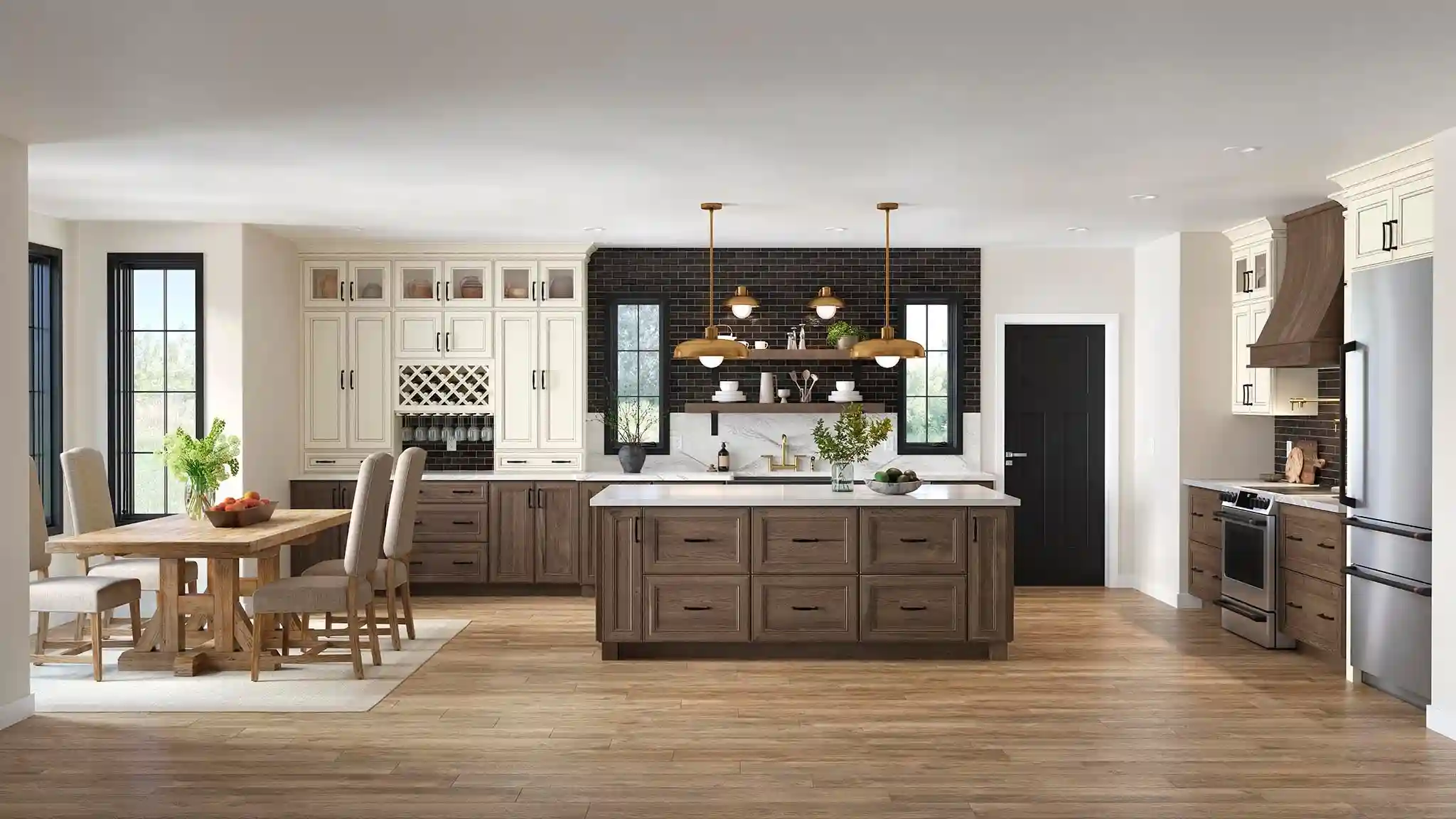
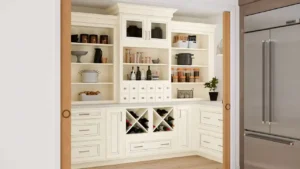
Two-tone, warm creams,
Hey folks, it's Mike here from the old workshop desk. I've been hammering away at construction blogs for a while now, ever since I traded my tool belt for a keyboard after that one bad back injury on a job site. If you've been following along, you know I love diving into the nitty-gritty of home building trends – the stuff that turns a house into a home without breaking the bank or your spirit. Today, we're talking kitchen cabinets, specifically the color trends shaping up for 2026. I've sifted through designer surveys, chatted with a few pros at recent trade shows, and even peeked into some ongoing projects. What I'm seeing is a big shift toward coziness and personality. Gone are the days of sterile, all-white kitchens that feel like operating rooms. Instead, we're leaning into earthy vibes that make you want to linger over coffee. Let's break it down, trend by trend, and I'll throw in some tips on how to pull them off in your own space.
Warm Neutrals
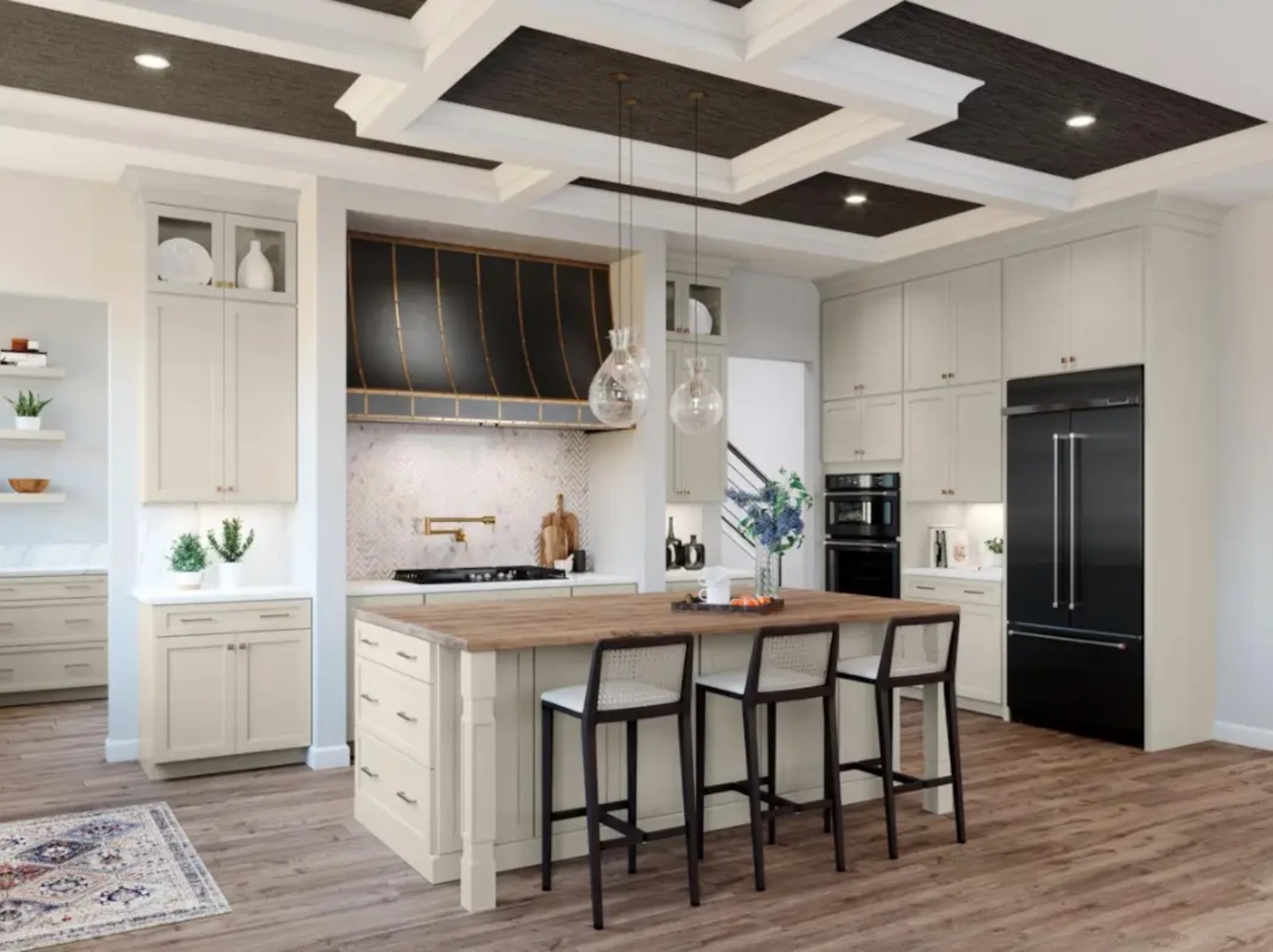
Warm Neutrals: The New Neutral
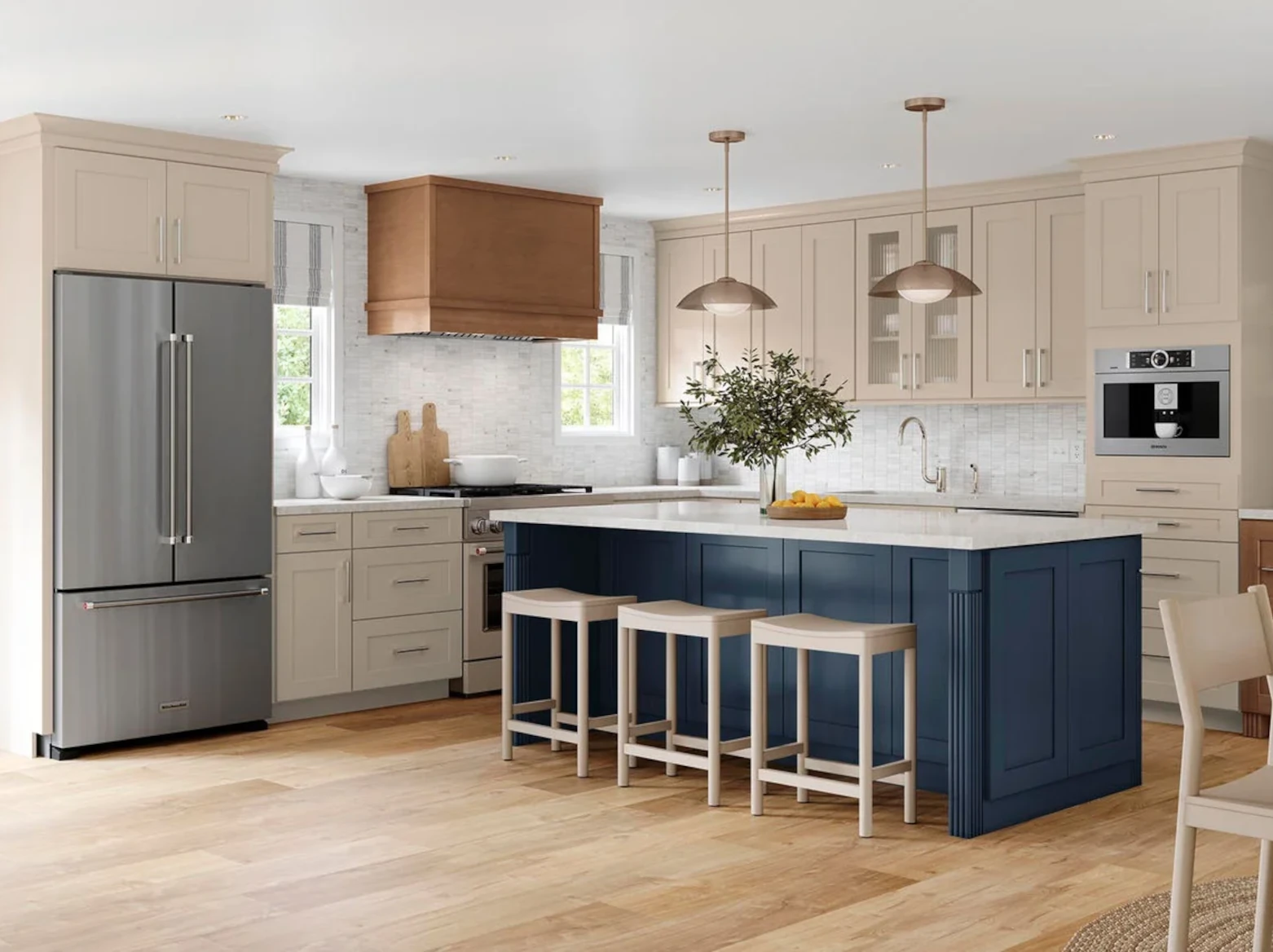
First off, warm neutrals are stealing the show. Think mushroom, beige, and taupe. These aren't your grandma's boring beiges; they're rich, layered hues that add depth without overwhelming the room. A whopping 96% of designers are calling these their top picks, and I get why. Stark white has had its run, but it can feel cold and unforgiving, especially in northern climates where natural light is scarce half the year. Warm neutrals soften things up, making the kitchen feel inviting. I remember renovating a mid-century bungalow last year where we swapped out glossy white cabinets for a soft taupe. The client said it transformed the space from "clinical" to "cozy" overnight. If you're going this route, pair it with natural stone countertops like quartzite in similar tones to keep the flow seamless. And don't forget lighting; warm LED under-cabinet lights will make these colors pop without washing them out.
Natural Wood Tones: Back to Basics
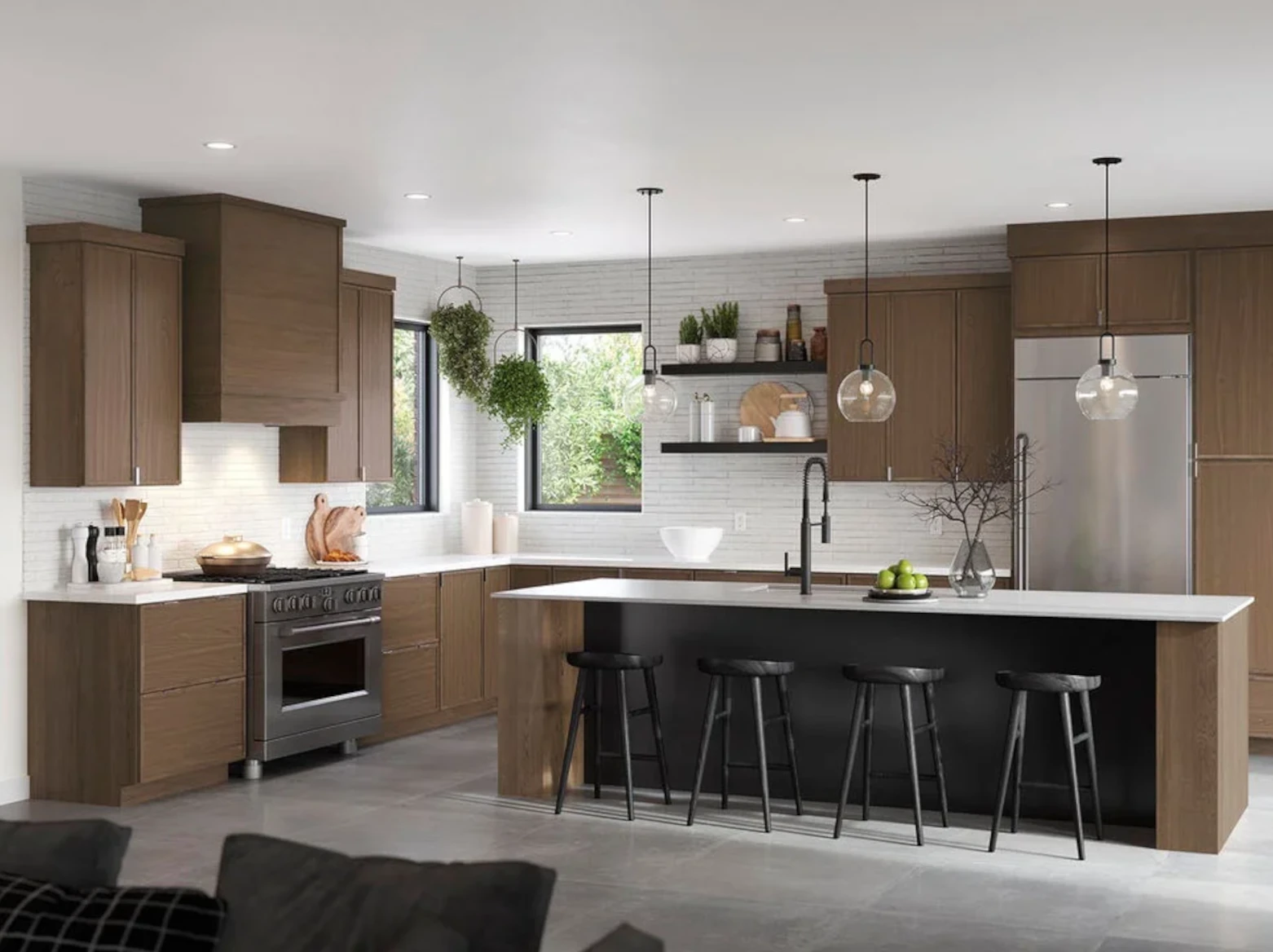
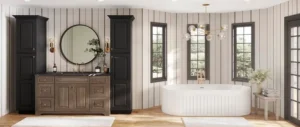
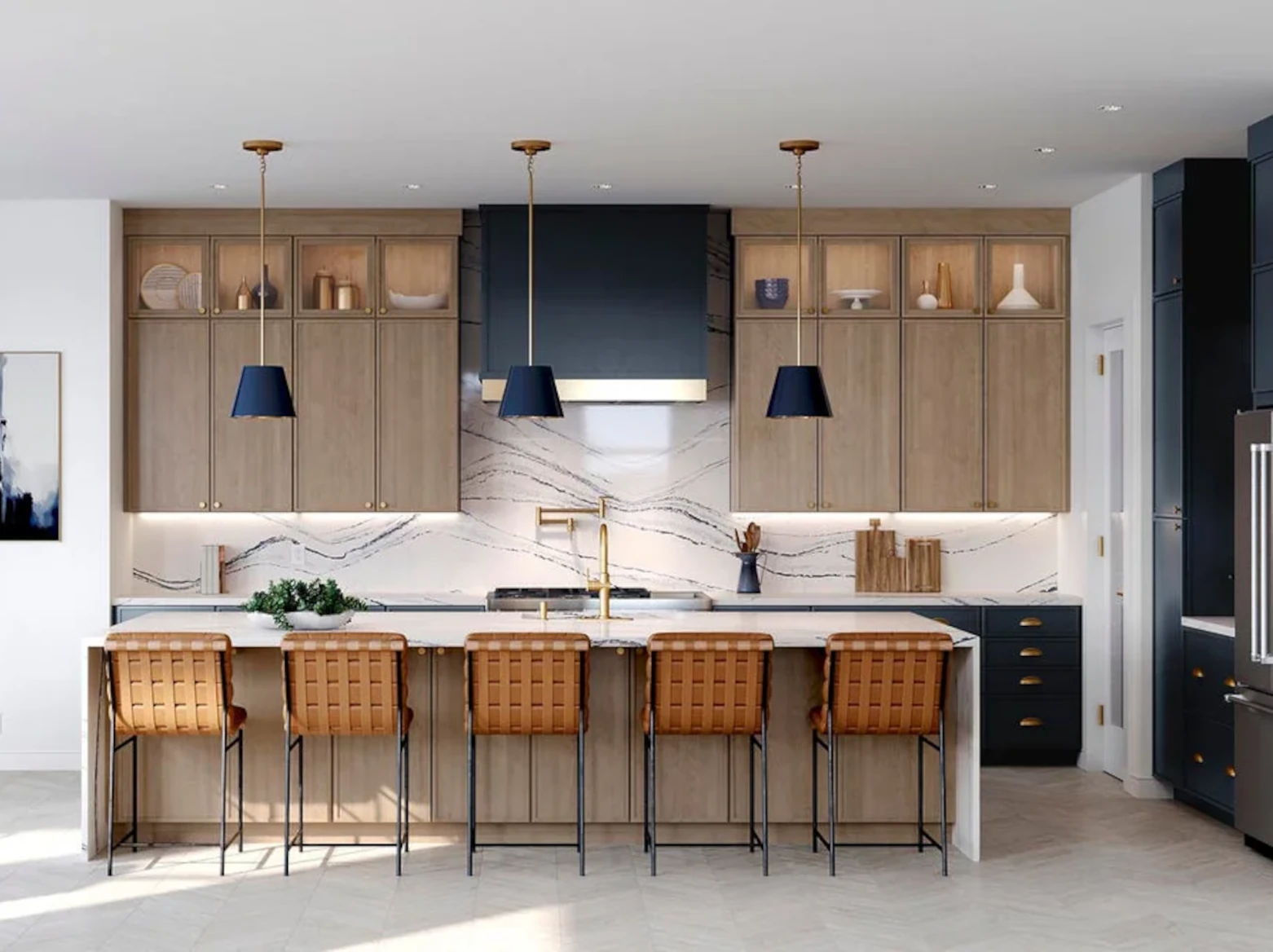
Building on that earthy theme, natural wood tones are making a massive comeback. We're talking rich, dark woods like walnut, mahogany, and smoked oak. These aren't the light pine cabinets from the '90s; they're bold, with visible grains that tell a story. I've seen a surge in popularity here because people crave authenticity in their homes. In a world full of mass-produced everything, a set of walnut cabinets feels like a nod to craftsmanship. Smoked oak, in particular, has this aged, almost vintage appeal that's perfect for blending modern and rustic styles. Pro tip: If your budget's tight, opt for veneers over solid wood, they're just as durable these days with advances in manufacturing. I once worked on a farmhouse kitchen where we installed mahogany lowers and let the natural knots shine through. It added so much character, and the homeowners couldn't stop raving about how it warmed up the whole room. Just be mindful of maintenance; darker woods show dust less but can scratch if you're rough with them.
Natural Wood Tones

Deep Greens and Blues: Bold & Beautiful

Now, let's dive into the bolder side of things with deep greens and blues. Sage green was big a couple years back, but it's evolving into deeper shades like olive and forest green. These hues bring the outdoors in, creating a grounded feel that's all about tranquility. Pair that with rich navies, and you've got a palette that's sophisticated without being stuffy. I love how these colors play with light. In the morning sun, an olive green cabinet can look vibrant, but under evening lights, it turns moody and intimate. Designers are using them in accents or full runs, especially in open-concept kitchens where you want a focal point. If you're hesitant, start small: Paint an island in forest green and keep the perimeter neutral. I did this in a coastal home project, using navy uppers to mimic the ocean view outside. It tied everything together beautifully. Word of caution – these deeper tones can make small spaces feel smaller, so test swatches in your actual lighting before committing.

Classic Creams: Soft & Elegant

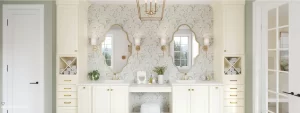
Cream is another standout, and it's basically white's warmer cousin. It's popular for that soft, classic look that never goes out of style. Unlike pure white, cream has subtle yellow or pink undertones that make it feel lived-in right from the start. It's versatile too; it works in traditional setups with ornate hardware or sleek modern ones with minimal pulls. I've used cream in countless bathrooms and kitchens over the years, and it always delivers that timeless elegance. For 2026, I'm seeing it paired with marble veining for a luxurious vibe. If your home has a lot of natural wood elements, cream cabinets can balance them out without clashing. One memorable project was a Victorian reno where cream softened the dark hardwood floors, making the space feel airy yet grounded.
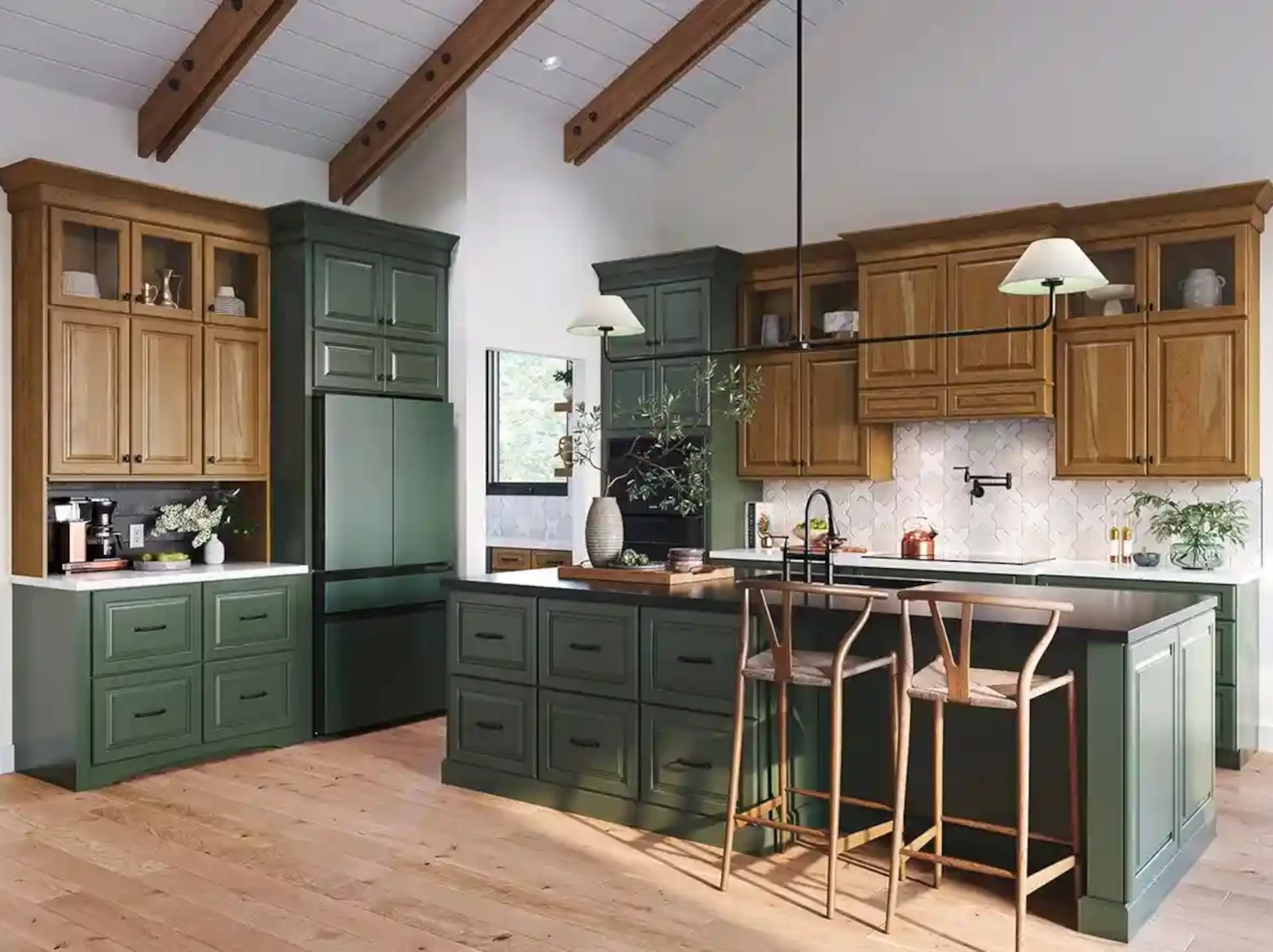
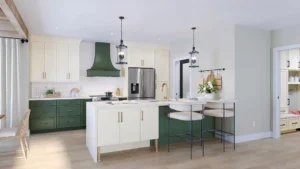
Natural Woods and Deep Greens Two-Tone

Two-Tone Cabinets: Visually Interesting

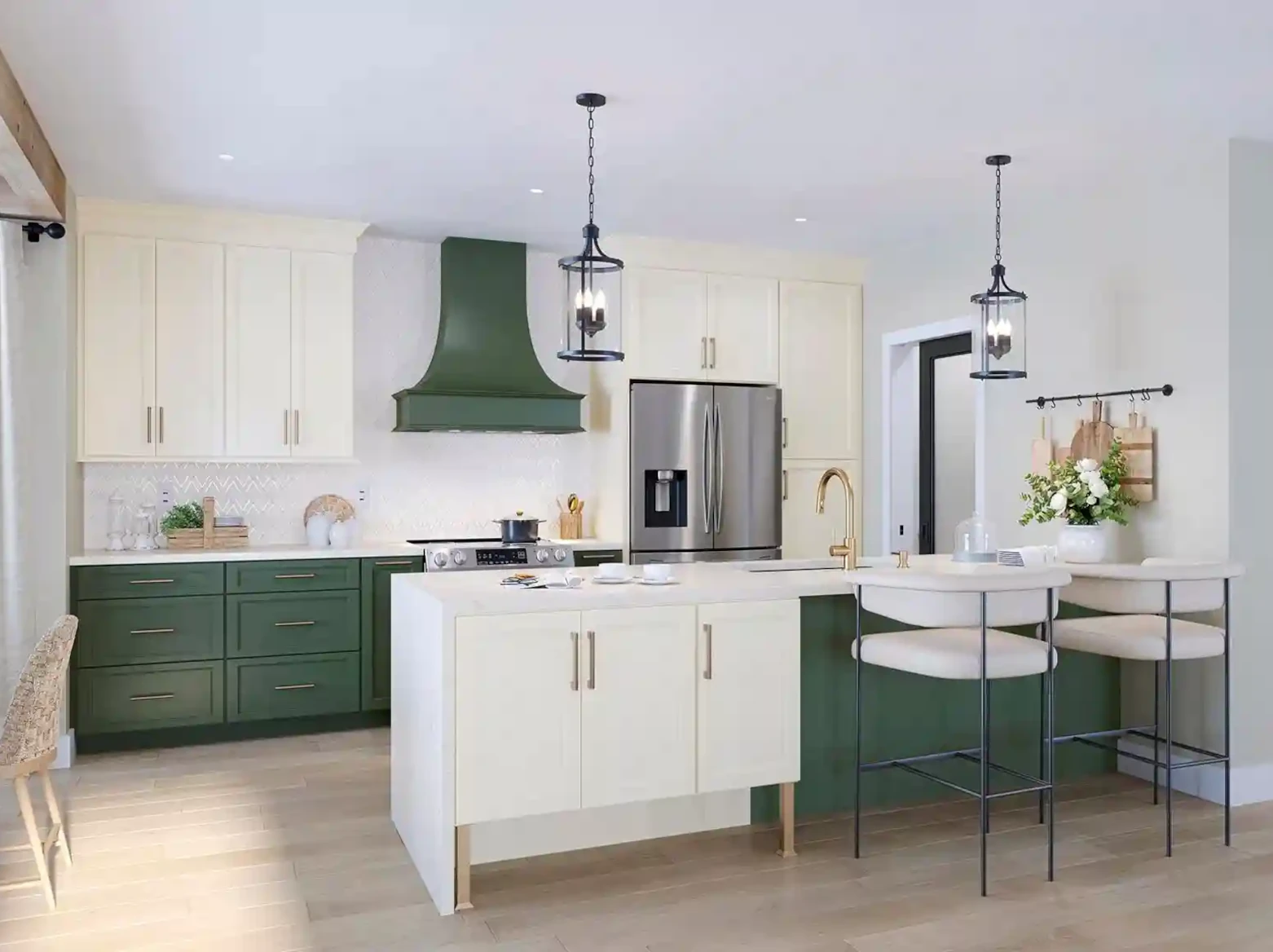
Two-tone cabinets are gaining traction too, with about 20% of designers jumping on board. The classic combo is darker lowers with lighter uppers, which creates visual interest and makes the room feel taller. It's a smart way to experiment without overhauling everything. Imagine forest green bases topped with cream or beige; it's expressive and practical, since lowers take more abuse from kids and pets. I tried this in my own kitchen remodel a few years ago, going with walnut bottoms and taupe tops. Not only did it hide fingerprints better, but it added a layered look that friends always comment on. If you're DIY-ing, make sure the tones complement each other; a warm dark with a cool light can look off. This trend is perfect for transitional styles, bridging old and new seamlessly.

Matte: The King of Sheen

Speaking of finishes, matte is the new king, dethroning glossy lacquers. Matte surfaces have this subtle elegance that hides imperfections better and feels more tactile. Glossy can be fingerprint magnets, especially in busy households, so matte's practicality is a big win. It's contributing to that minimalist aesthetic everyone's chasing. In my experience, matte finishes pair best with the warm trends we're seeing; they let the color take center stage without reflections distracting. If you're refinishing existing cabinets, a matte topcoat can modernize them instantly.

Hardware & Style Trends

On the accents front, hardware is getting a makeover, with brushed brass and aged bronze leading the pack. Chrome's out; it's too shiny and industrial for the current mood. These warmer metals add a touch of luxury and age gracefully, developing patina over time. I always tell clients to think of hardware as jewelry for your cabinets; it should enhance, not overpower. Slim Shaker styles and flat-slab doors are dominating, pushing that transitional or minimalist look. Shakers have those clean lines with a hint of detail, while flat slabs are all about simplicity. In a recent condo flip, we used aged bronze pulls on matte navy cabinets, and it gave the kitchen this bespoke feel on a budget.
Overall, 2026 is about creating kitchens that feel grounded and expressive. We're drawing from nature with those earthy, warm tones that make spaces feel alive. It's a reaction to the fast-paced world, I think; people want homes that ground them, not sterile boxes. Influenced by biophilic design principles, these trends incorporate elements that mimic the outdoors, promoting well-being. If you're planning a remodel, start by assessing your space's light and flow. Sample paints in real conditions, and don't be afraid to mix trends; a two-tone with natural wood accents in deep green? Chef's kiss.
But let's get practical. Budget-wise, expect to spend $5,000 to $15,000 on a mid-size kitchen cabinet refresh, depending on materials. Custom woods like mahogany will push the upper end, while stock options in cream or taupe keep it affordable. Installation's key; hire pros if you're not handy, as wonky cabinets ruin the look. Sustainability's big too; look for FSC-certified woods and low-VOC paints to keep things eco-friendly.
I've seen trends come and go, but this shift feels enduring. It's less about flash and more about comfort, which is music to my ears after years in the field. If you're inspired, drop a comment below with your favorite trend or share a pic of your kitchen makeover. Until next time, keep building those dream spaces. Cheers from the workshop.